Innovations
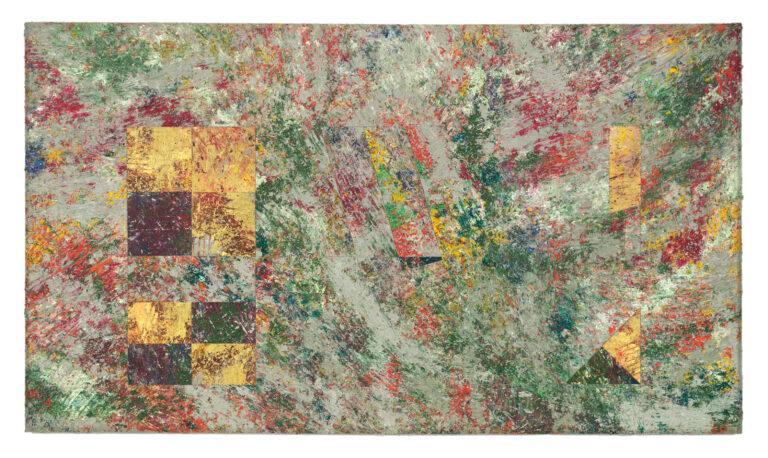
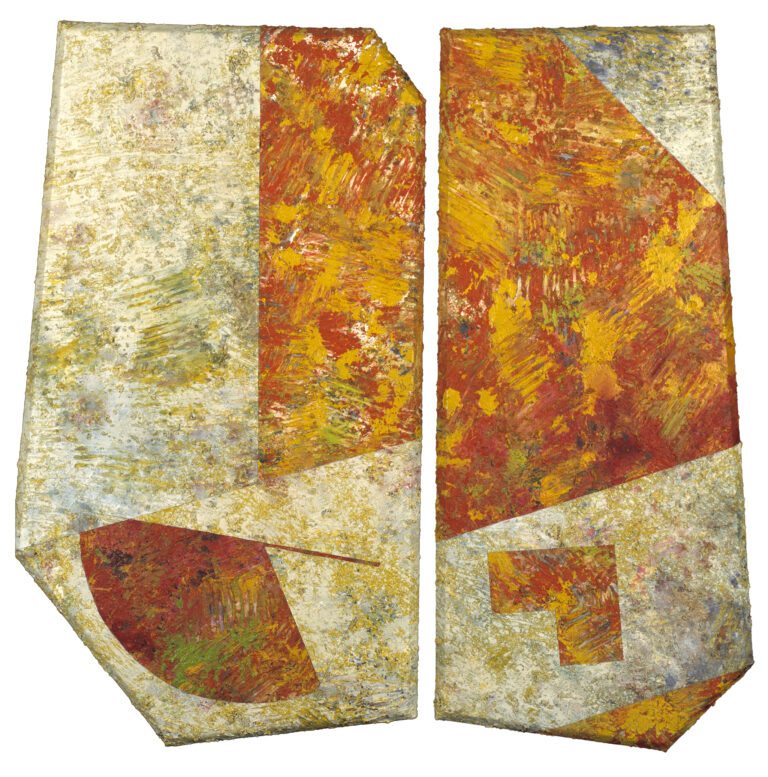
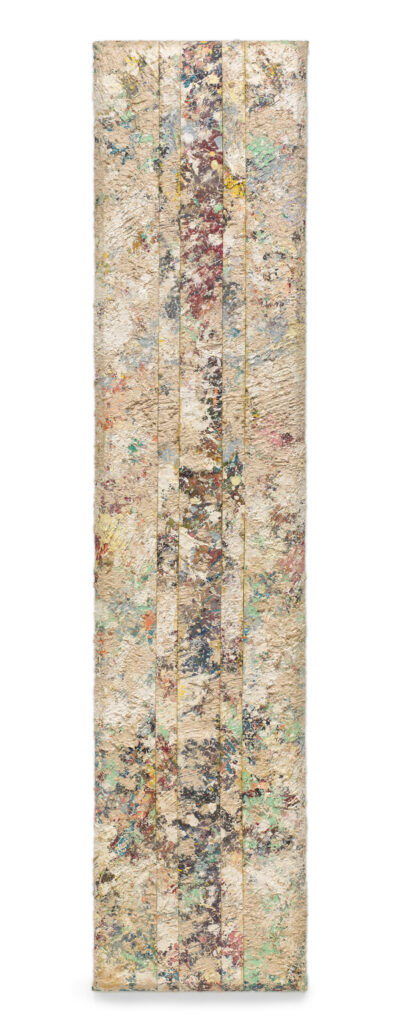
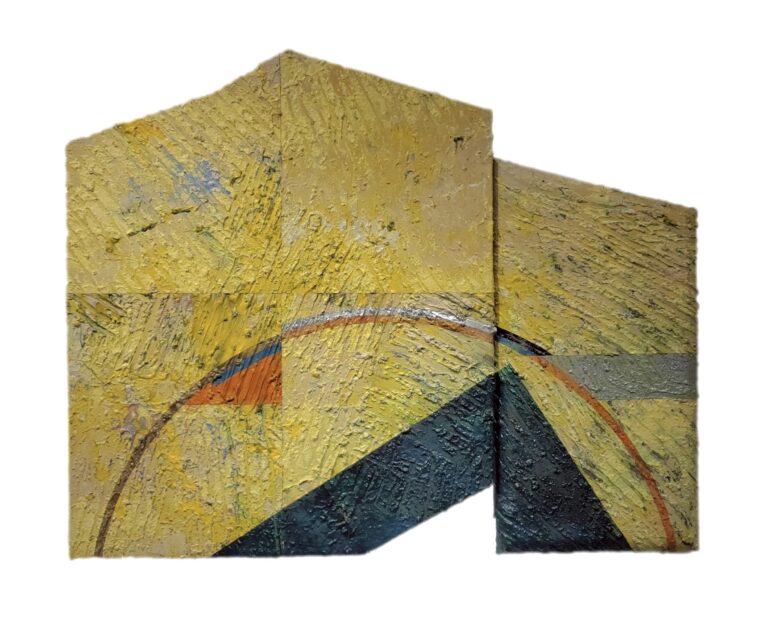
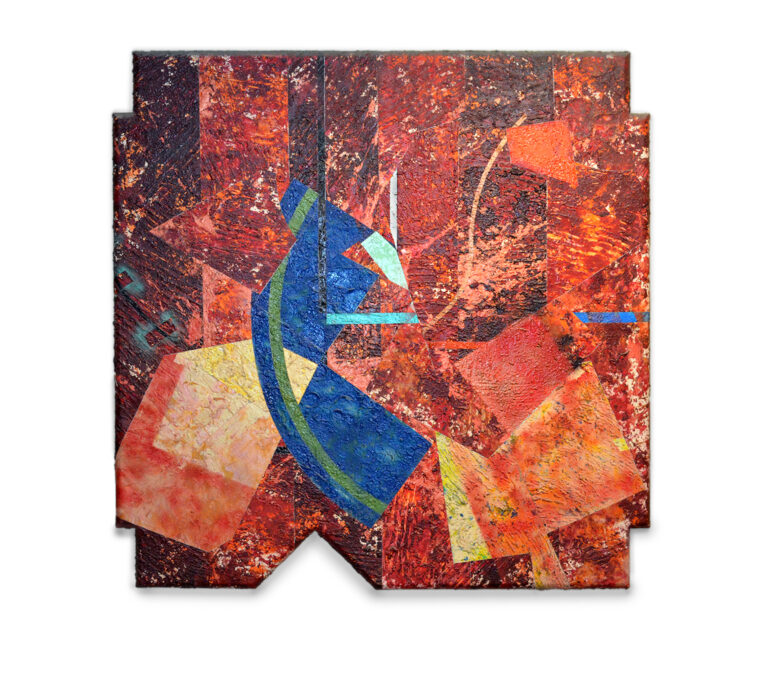
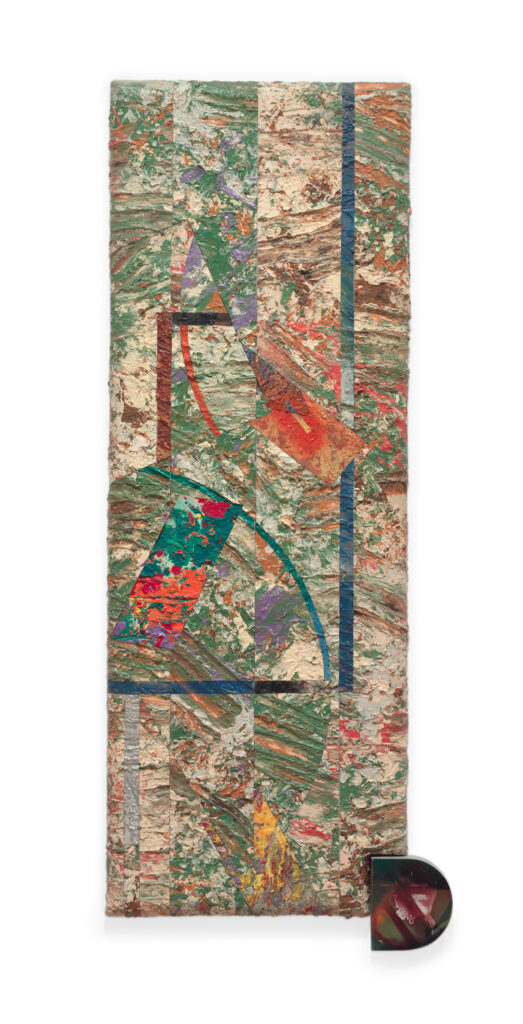
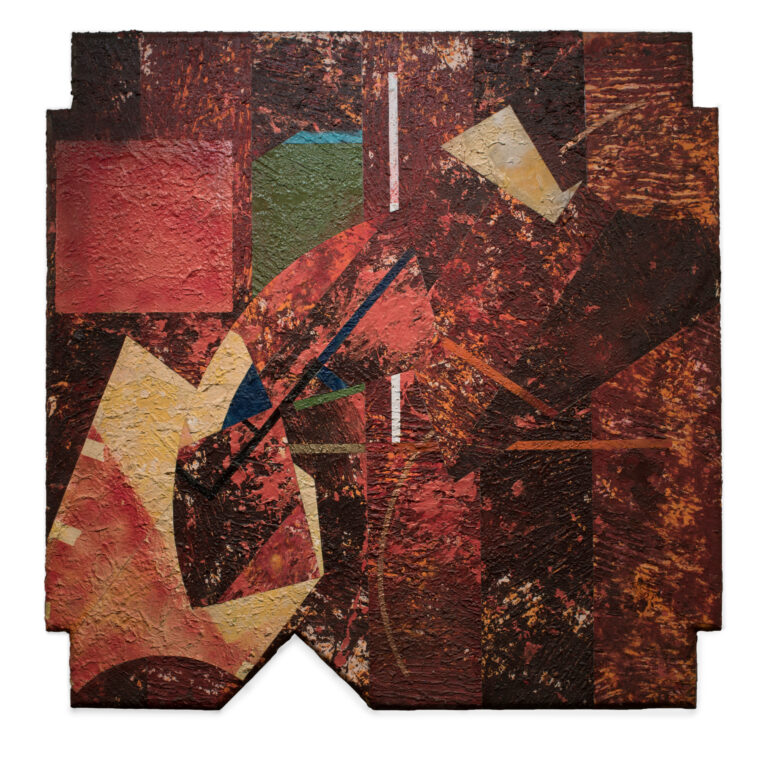
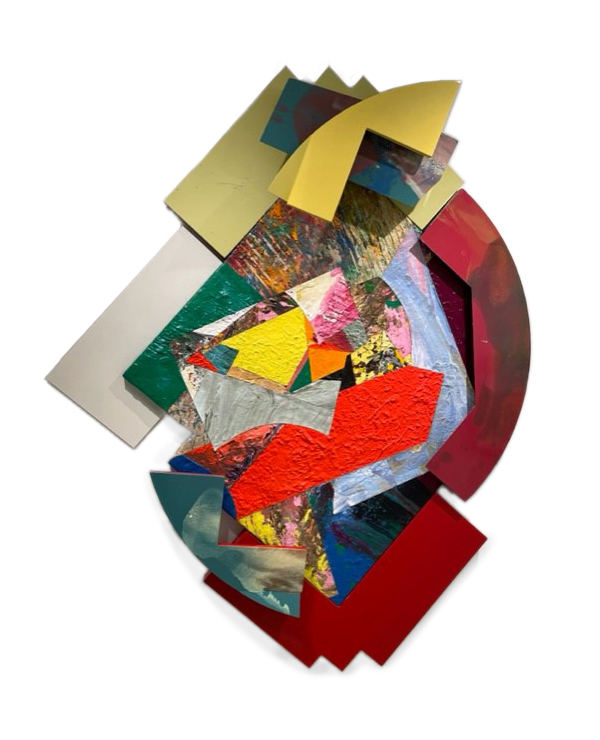
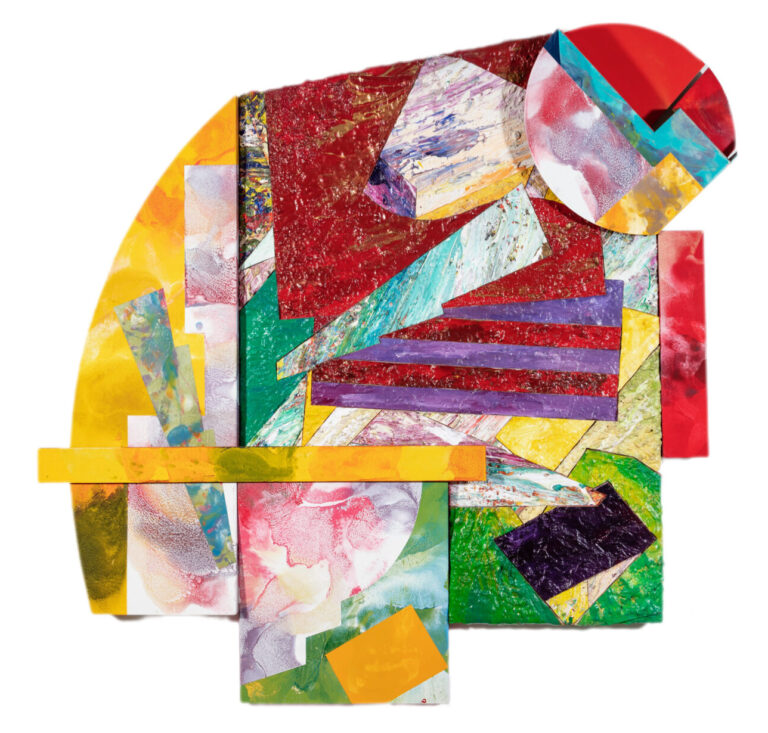
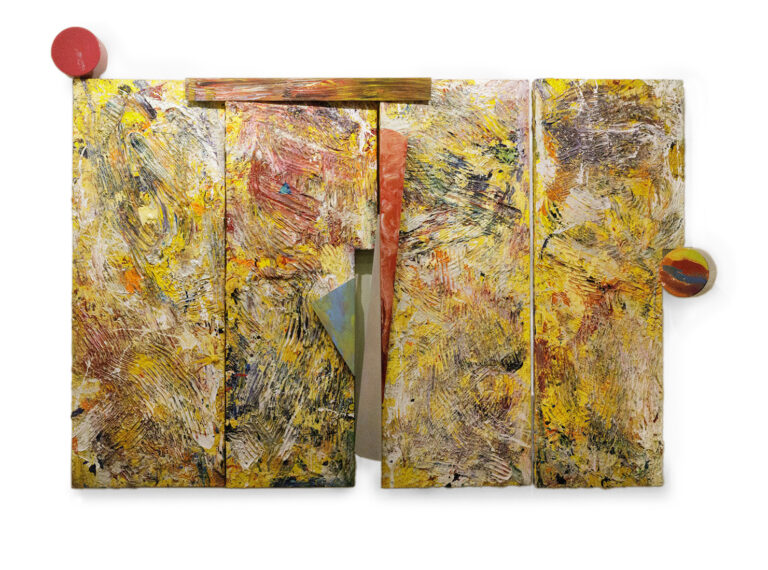
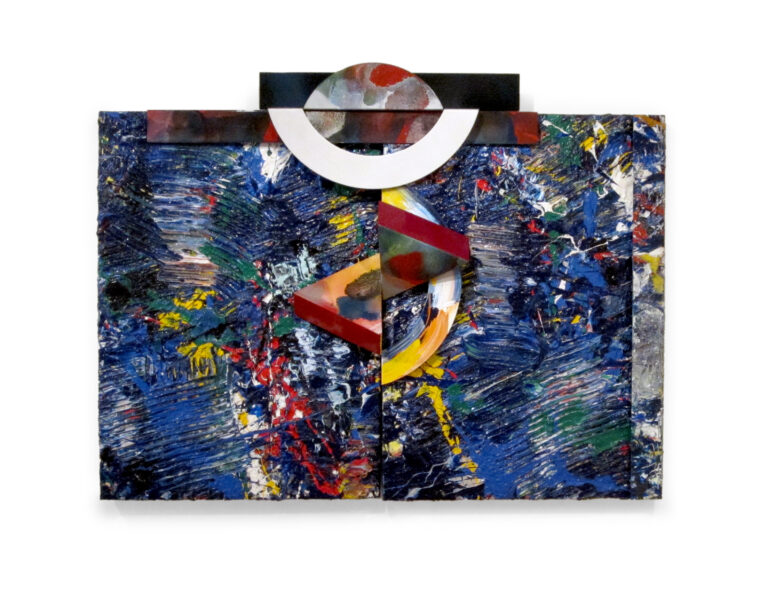
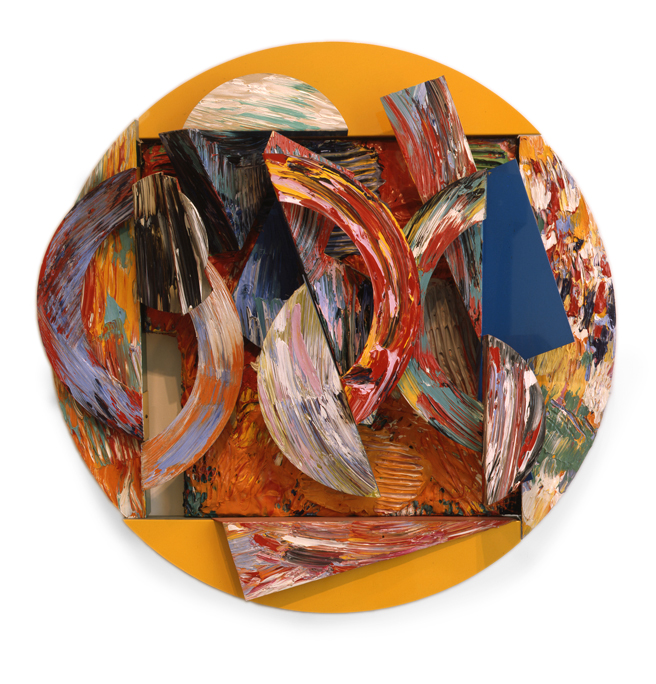
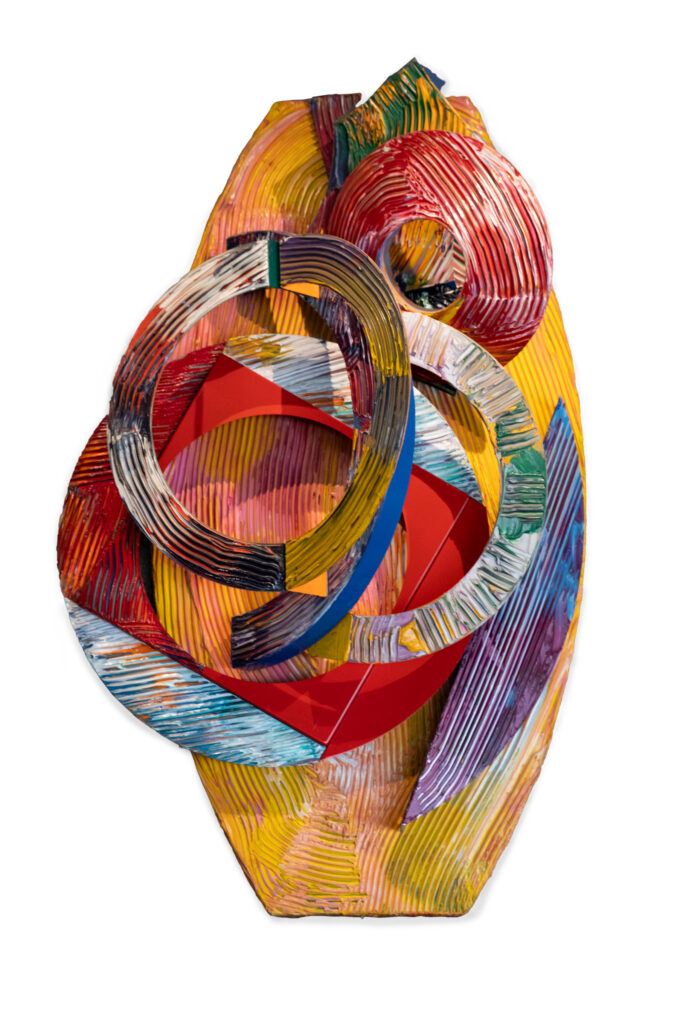
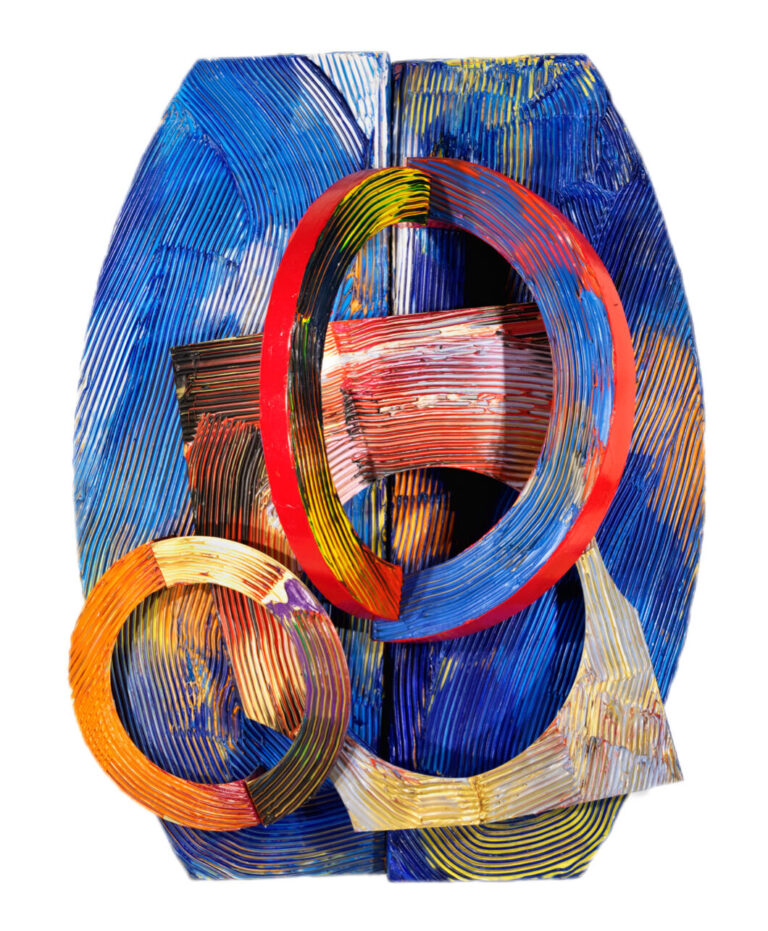
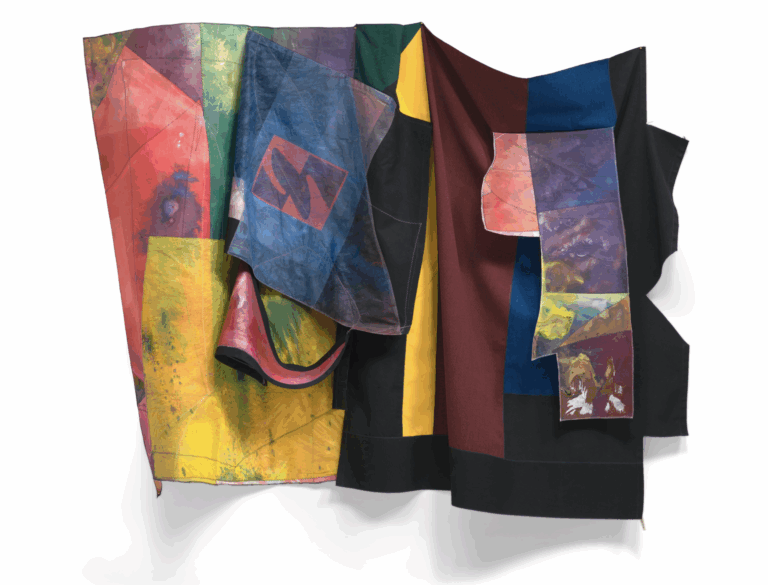
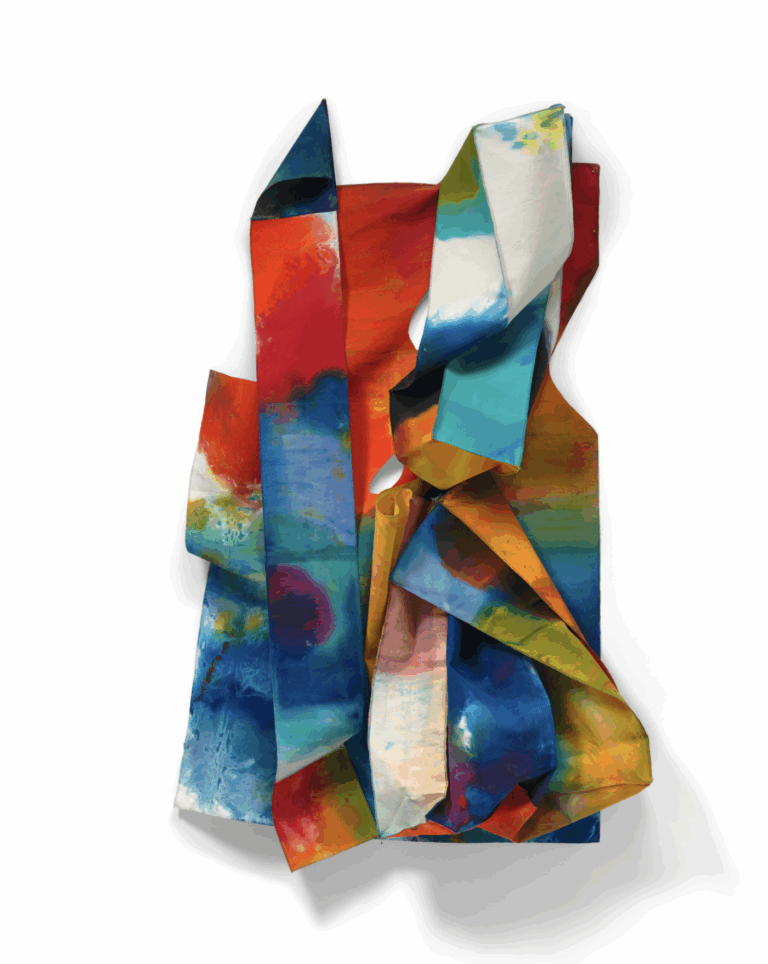
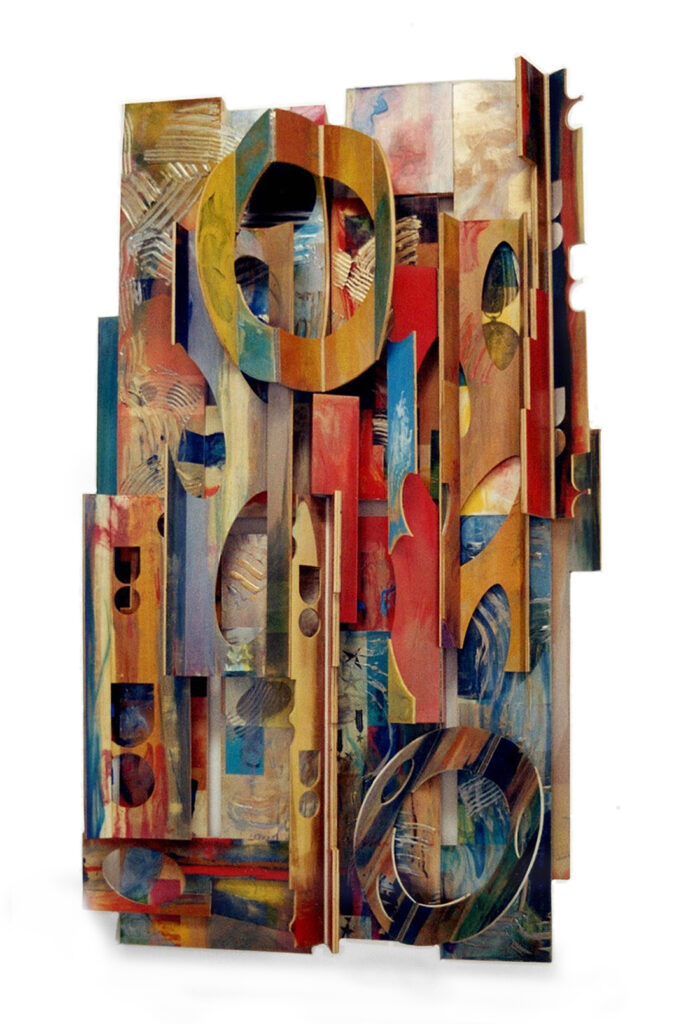
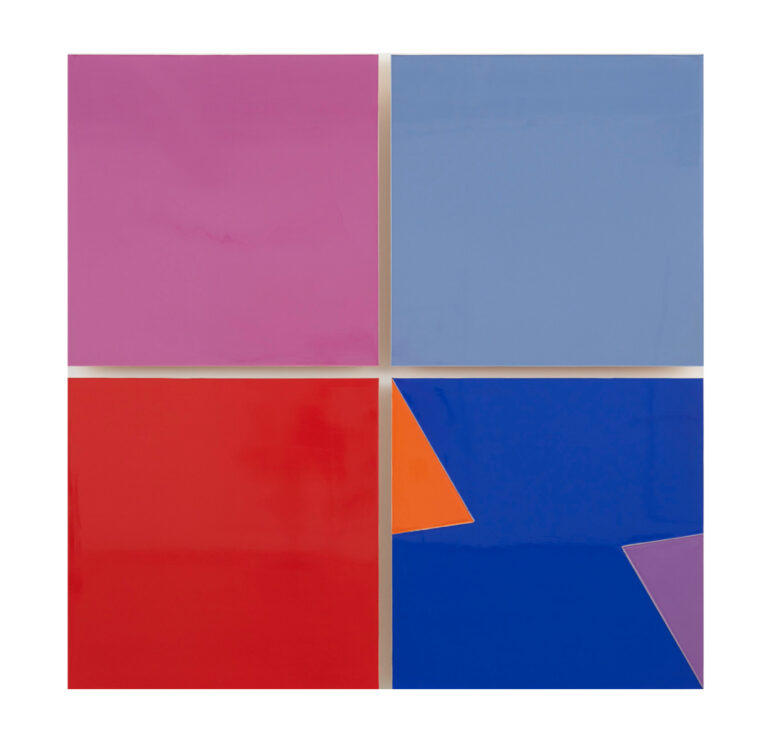
Sam Gilliam maintained a constant reconsideration of the formal aspects of painting, both in what it is and what it could be. We witness his formal innovations at each stage in his practice—the beveled-edge frames, the removal of the canvas from the stretcher, and, later in his practice, the tondo—but note that while these were certainly experiments fueled by improvisation, Gilliam was simultaneously making very exact aesthetic judgments that emerged out of his own deep understanding of the many ways painting could be reimagined, probing the material possibilities of painting and its relationship to the canvas. Paint could be poured, raked, mopped, or stained, and the canvas folded, crumpled, or hung, resulting in paintings that took on sculptural forms while simultaneously inhabiting or embodying an architectural space. Gilliam’s impact is undeniable: he’s an artist who has provided us with a new language when it comes to understanding the potential of such a traditional medium.
This is also a moment in which Gilliam stepped away from the liberated canvas, a temporary hiatus which continued throughout the decade, and a certain kind of refusal to be confined to a particular type of art production. This is perhaps what inspired Gilliam most throughout his career: the opportunity, which he took at every moment, to think and rethink again.
Thelma Golden, from Sam Gilliam: Sewing Fields, 2025